The world of fermented foods is a complex ecosystem where microorganisms compete for dominance. Among these, the battle between yeast and film-forming bacteria in kimchi jars has become a focal point for researchers and food enthusiasts alike. This microbial competition not only affects the flavor and quality of the final product but also raises important questions about food safety and preservation techniques.
In traditional kimchi fermentation, the ideal environment favors lactic acid bacteria, which create the characteristic tangy flavor while suppressing harmful pathogens. However, when oxygen enters the system through imperfect seals or frequent opening of jars, a different dynamic emerges. Film-forming bacteria, particularly those from the Bacillus and Pseudomonas genera, begin to thrive on the surface, creating what's commonly known as "kahm yeast" - though it's technically not yeast at all.
The presence of these surface films often indicates a shift in the microbial balance. While not necessarily dangerous, they can alter the taste and texture of kimchi, sometimes producing off-flavors described as musty or cheesy. Food scientists have observed that certain yeast species, particularly those from the Candida and Debaryomyces genera, actively compete with these film-forming bacteria for surface territory.
Recent studies have revealed fascinating strategies in this microscopic warfare. Some yeast strains produce antimicrobial compounds that inhibit bacterial growth, while certain bacteria release substances that prevent yeast from forming colonies. The pH level, salt concentration, and temperature all play crucial roles in determining which microorganisms gain the upper hand in this ongoing battle.
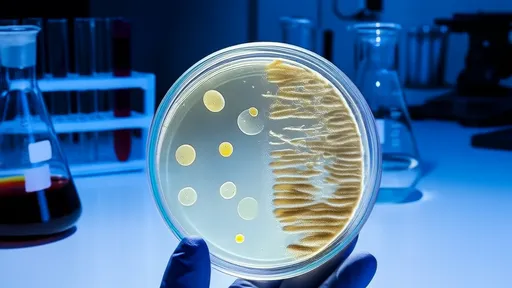
Detection methods for these competing organisms have become increasingly sophisticated. Traditional culture-based techniques, while reliable, are being supplemented with molecular tools like PCR and metagenomic sequencing. These advanced methods allow researchers to identify not just the dominant species, but the complete microbial community present in a kimchi jar at any given time.
One surprising discovery has been the beneficial role some yeast species play in kimchi fermentation. Certain strains contribute to flavor development and may actually help prevent the growth of truly harmful bacteria. This challenges the traditional view that all surface growth should be removed immediately, suggesting instead that some microbial diversity might enhance the final product.
The competition between yeast and film-forming bacteria also has implications for commercial kimchi production. Large-scale manufacturers must balance the desire for consistent products with the complex realities of microbial ecology. Some are experimenting with controlled inoculations of specific yeast strains to outcompete undesirable bacteria while maintaining the authentic fermented flavor profile.
Home fermenters face different challenges. Without access to laboratory equipment, they rely on visual cues like surface films and smell to assess their ferments. Experts recommend maintaining proper salt concentrations, keeping fermentation vessels full to minimize oxygen exposure, and storing kimchi at cool, stable temperatures to favor lactic acid bacteria over surface competitors.
As research continues, scientists are uncovering more nuances in these microbial interactions. Some studies suggest that the material of fermentation vessels - whether glass, ceramic, or stainless steel - can influence which microorganisms thrive. Others are investigating how different vegetable substrates affect the microbial competition, with napa cabbage, radishes, and other common kimchi ingredients each creating slightly different ecological niches.
The study of yeast competition in kimchi jars represents more than just academic interest. It provides insights into fundamental ecological principles playing out on a microscopic scale, with direct applications to food safety and quality. As consumers increasingly seek out fermented foods for their health benefits and complex flavors, understanding these microbial dynamics becomes ever more important.
Looking ahead, researchers anticipate developing more precise methods to monitor and guide these microbial communities. Potential innovations include smart lids that detect gas composition changes indicating microbial shifts, or pH-sensitive indicators that warn of unfavorable conditions. Such tools could help both home and commercial producers maintain optimal fermentation conditions.
For now, the humble kimchi jar remains a fascinating microcosm of microbial life, where ancient food preservation traditions meet cutting-edge science. The ongoing competition between yeast and film-forming bacteria serves as a reminder that even in our modern world, we're still learning from these natural processes that humans have harnessed, if not fully understood, for thousands of years.
By /Jul 17, 2025
By /Jul 17, 2025
By /Jul 17, 2025
By /Jul 17, 2025
By /Jul 17, 2025
By /Jul 17, 2025
By /Jul 17, 2025
By /Jul 17, 2025
By /Jul 17, 2025
By /Jul 17, 2025

By /Jul 17, 2025

By /Jul 17, 2025
By /Jul 17, 2025
By /Jul 17, 2025
By /Jul 17, 2025
By /Jul 17, 2025
By /Jul 17, 2025
By /Jul 17, 2025
