The human relationship with capsaicin – the fiery compound that gives chili peppers their signature burn – has always been a dance between pleasure and pain. Scientists now believe they've pinpointed the precise concentration where this delicate balance tips: 0.1% capsaicin content appears to mark the threshold where discomfort transforms into euphoric release. This discovery sheds new light on why cultures worldwide voluntarily subject themselves to culinary torment.
For decades, food chemists and neuroscientists have puzzled over why humans are the only species that seeks out capsaicin-induced pain. Unlike other mammalian species that avoid chili peppers, humans have cultivated hundreds of varieties, carefully breeding them for increasing intensity. The 0.1% benchmark emerges from multiple peer-reviewed studies measuring endorphin release, sweat response, and self-reported enjoyment across diverse populations.
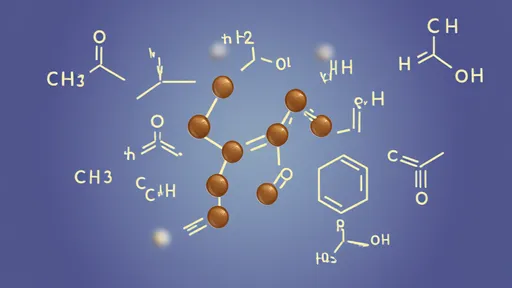
The biochemistry behind this phenomenon reveals an elegant paradox. At concentrations below 0.1%, capsaicin primarily activates TRPV1 receptors – the body's heat-detection system – triggering pure pain signals. But cross that threshold, and the body begins flooding the bloodstream with endogenous opioids. This creates what researchers call "hedonic reversal," where the brain interprets the stimulus as rewarding rather than punishing. The precise mechanism involves dopamine release in the nucleus accumbens, the same reward center activated by chocolate, sex, and runner's high.
Cultural practices around the world appear to have independently discovered this sweet spot long before laboratory confirmation. The Scoville ratings of most popular chili varieties – from jalapeños (2,500-8,000 SHU) to cayenne (30,000-50,000 SHU) – consistently deliver approximately 0.1% capsaicin content when prepared in traditional dishes. Thai cuisine's prik kee noo, Mexican habanero salsas, and Sichuan's famed huajiao all hover near this magical concentration.
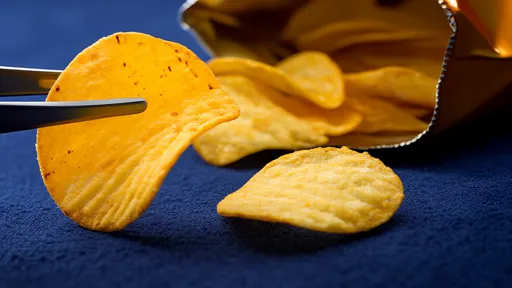
Modern food science is now applying this knowledge to create optimized eating experiences. Experimental kitchens are developing "capsaicin timing" techniques where burn intensity curves match the 0.1% threshold at peak flavor perception. Some avant-garde chefs are crafting multi-stage dishes that hit the pleasure threshold sequentially in different mouth regions. Even the snack food industry has taken notice, with several major brands reformulating their spicy products to target this biochemical sweet spot more precisely.
The implications extend beyond gastronomy. Pain researchers are studying how the 0.1% threshold might inform new approaches to chronic pain management. Early clinical trials suggest controlled capsaicin exposure could help "retrain" malfunctioning pain pathways without opioid medications. Meanwhile, sports scientists are exploring whether pre-competition capsaicin dosing at this concentration could legally enhance performance through natural endorphin release.
As with any potent biochemical interaction, individual variations exist. Approximately 15% of the population appears hypersensitive to capsaicin, experiencing the 0.1% concentration as genuinely painful rather than pleasurable. Genetic testing reveals these individuals often possess mutations in TRPV1 receptor genes. On the opposite extreme, "super-tasters" with high tolerance may require up to 0.3% concentration to achieve the same euphoric effect – explaining the cultural arms race toward ever-hotter chili varieties.
The discovery of this precise pleasure threshold raises fascinating questions about human evolution. Some anthropologists propose that our unique capsaicin appreciation developed as an evolutionary advantage – the compound's antimicrobial properties may have protected early humans from foodborne pathogens in tropical climates. Others suggest the endorphin rush provided psychological resilience in harsh environments. Whatever its origins, the 0.1% phenomenon now stands as one of gastronomy's most intriguing examples of biochemistry and culture conspiring to transform agony into ecstasy.
By /Jul 17, 2025
By /Jul 17, 2025
By /Jul 17, 2025
By /Jul 17, 2025
By /Jul 17, 2025
By /Jul 17, 2025
By /Jul 17, 2025
By /Jul 17, 2025
By /Jul 17, 2025
By /Jul 17, 2025

By /Jul 17, 2025
By /Jul 17, 2025
By /Jul 17, 2025
By /Jul 17, 2025
By /Jul 17, 2025
By /Jul 17, 2025
By /Jul 17, 2025
By /Jul 17, 2025
