Protein Structure Weakening: Cake Shrinking

Jul 17, 2025 By

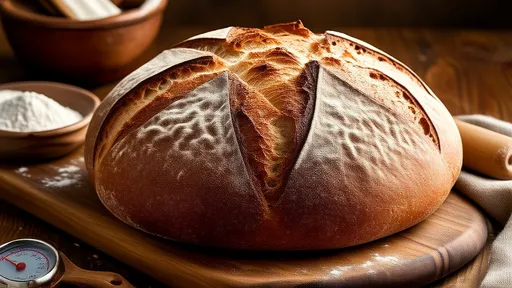
The delicate balance of protein structures in baked goods often determines their final texture and stability. Among the most frustrating phenomena for bakers is the collapse of cakes after removal from the oven—a problem frequently rooted in the weakening of gluten networks. This structural failure reveals much about the complex interplay between ingredients, baking chemistry, and protein behavior under thermal stress.

At the heart of cake structure lies gluten, the protein matrix formed when wheat flour meets water. During mixing, glutenin and gliadin proteins cross-link to create an elastic network that traps gas bubbles during leavening. When properly developed, this scaffold provides just enough rigidity to support the cake’s crumb while maintaining tenderness. However, excessive gluten weakening—whether from overmixing, incorrect flour selection, or imbalanced formulations—can lead to catastrophic post-bake shrinkage as proteins lose their ability to bear structural loads.

The science behind this collapse involves protein denaturation dynamics. As cakes bake, gluten proteins undergo conformational changes: first uncoiling then forming new bonds as temperatures rise. Ideal baking achieves a stable equilibrium where coagulated proteins maintain just enough elasticity to resist steam pressure without becoming brittle. But when weak gluten networks fail to properly coagulate or lose disulfide bonds too early, the structure cannot withstand cooling-induced contraction. The result? A sunken center or severe sidewall collapse that disappoints both home bakers and pastry chefs alike.

Several subtle factors influence this protein degradation. The presence of certain enzymes—whether naturally occurring in flour or added via ingredients like unpasteurized honey—can prematurely break down gluten strands. Acidic components (think buttermilk or excessive baking powder) may also interfere with protein cross-linking. Even something as simple as oven humidity affects how quickly surface proteins set versus interior gluten development, creating structural mismatches that manifest as shrinkage during cooling.

Modern ingredient technology offers solutions to combat gluten weakening. Protein-fortified flours with higher glutenin-to-gliadin ratios provide more heat-stable networks. Hydrocolloids like xanthan gum can partially compensate for weak gluten by providing alternative scaffolding. Some commercial bakers employ transglutaminase—an enzyme that creates additional protein crosslinks—to reinforce structure without toughening crumb. These approaches highlight how understanding protein behavior drives innovation in baked goods.

The temperature transition period during cooling proves critical for gluten integrity. As cakes move from oven to room temperature, steam condensation creates internal vacuums that pull on weakened protein matrices. Professional bakers often combat this by gradual cooling—leaving cakes in turned-off ovens with cracked doors to slow temperature changes. This technique allows gluten networks to adjust gradually rather than suffering shock from rapid contraction forces.

Interestingly, the very ingredients that make cakes tender also contribute to gluten weakening. Sugar and fat molecules interfere with gluten development during mixing, which is desirable for texture but requires careful balancing. High-ratio cakes (those with more sugar than flour by weight) demonstrate this paradox beautifully—their deliciously soft crumb comes from deliberately compromised gluten that must still provide enough structure to prevent collapse. Mastering this balance separates adequate bakers from exceptional ones.

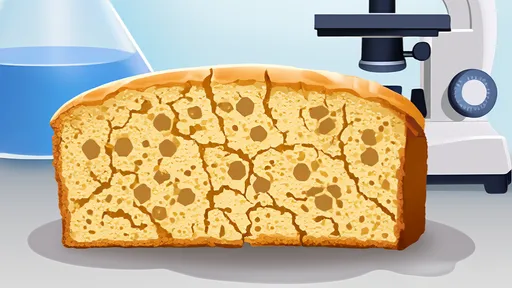
Microscopic analysis reveals how failed cakes differ structurally. Electron microscopy images show ruptured gluten strands and collapsed gas cells in sunken cakes versus the continuous protein films supporting well-structured specimens. These visual differences correlate with measurable texture changes—collapsed cakes exhibit higher density and gumminess as assessed by texture profile analysis. Such scientific observations help bakers diagnose whether shrinkage stems from gluten issues or other causes like insufficient leavening.

Seasoned bakers develop an instinct for gluten stability through experience. The way batter coats a spoon, the elasticity felt during folding, even the sound of air escaping during baking—all provide clues about gluten’s condition. This tacit knowledge, combined with understanding protein science, allows adjustment of techniques in real time. Perhaps this marriage of art and science explains why perfect cakes remain both an achievement and a mystery worth pursuing.

Ultimately, cake collapse serves as a visible reminder of proteins’ invisible work. In the oven’s heat, gluten networks perform a high-wire act—strong enough to support expansion yet flexible enough to accommodate internal pressures. When this balance tips toward weakness, gravity takes over. The solutions lie not in brute strength but in nuanced understanding of protein chemistry, thermal dynamics, and how simple ingredients conspire to create—or undermine—structural perfection.
Recommend Posts
Food

Peroxide Value: Chemical Monitoring of Nut Oxidation

By /Jul 17, 2025

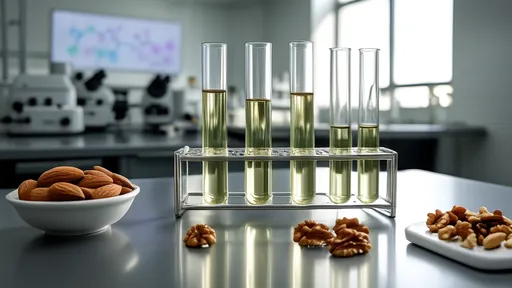
The oxidation of nuts is a natural chemical process that occurs over time, influenced by factors such as exposure to air, light, and temperature. One of the key indicators used to measure the extent of this oxidation is the peroxide value (PV), which quantifies the concentration of peroxides and hydroperoxides formed during the initial stages of lipid oxidation. Understanding peroxide values is crucial for both food manufacturers and consumers, as it provides insight into the freshness and shelf life of nuts. High peroxide values often signal that the nuts have undergone significant oxidative degradation, leading to undesirable flavors, odors, and potential health risks.
Food

Steam Insufficiency: Moisture Control for the Crust Thickness of Hard European Bread

By /Jul 17, 2025

The art of crafting the perfect hard-crust European loaf hinges on a delicate balance of moisture control during baking. Among the most critical yet often overlooked factors is steam management – or more precisely, the consequences of insufficient steam during the initial oven spring phase. Bakers chasing that iconic blistered crust and open crumb are discovering that thickness and texture are profoundly influenced by how hydration interacts with heat in the first ten minutes of baking.
Food

Phytolith Analysis: Identification of Millet Varieties in Archaeological Sites

By /Jul 17, 2025

The study of ancient agricultural practices has taken a significant leap forward with the application of phytolith analysis in identifying millet varieties at archaeological sites. Phytoliths, microscopic silica structures formed in plant tissues, have become a crucial tool for archaeologists and paleoethnobotanists. These tiny time capsules preserve remarkably well in soils for thousands of years, offering insights into prehistoric diets, farming techniques, and plant domestication processes that shaped human civilizations.
Food

Caramelization Control: Temperature Alert for Sugar Color Cooking

By /Jul 17, 2025

The art of caramelization is a delicate dance between heat and sugar, a process that transforms the ordinary into the extraordinary. For chefs and confectioners alike, mastering this transformation is both a science and an art. One of the most critical aspects of this process is temperature control, as even a few degrees can mean the difference between a perfectly golden caramel and a burnt, bitter mess. Understanding the temperature thresholds and warning signs during sugar cooking is essential for achieving consistent, high-quality results.
Food

Yeast Competition: Detection of Membrane-Forming Bacteria in Pickle Jars

By /Jul 17, 2025

The world of fermented foods is a complex ecosystem where microorganisms compete for dominance. Among these, the battle between yeast and film-forming bacteria in kimchi jars has become a focal point for researchers and food enthusiasts alike. This microbial competition not only affects the flavor and quality of the final product but also raises important questions about food safety and preservation techniques.
Food

Emulsification Imbalance: The Critical Oil Ratio for Mayonnaise Separation

By /Jul 17, 2025

The delicate balance of mayonnaise hinges on a precise emulsion of oil and water. When this equilibrium falters, the smooth, creamy texture gives way to a greasy, separated mess. Understanding the critical oil ratio that triggers this breakdown reveals the fascinating science behind one of culinary’s most temperamental creations.
Food

Protein Structure Weakening: Cake Shrinking

By /Jul 17, 2025

The delicate balance of protein structures in baked goods often determines their final texture and stability. Among the most frustrating phenomena for bakers is the collapse of cakes after removal from the oven—a problem frequently rooted in the weakening of gluten networks. This structural failure reveals much about the complex interplay between ingredients, baking chemistry, and protein behavior under thermal stress.
Food

Surface Tension: Formula for Alcohol Concentration and Wine Legs Speed

By /Jul 17, 2025

The relationship between alcohol concentration and the speed at which liquid forms "legs" or tears on the side of a glass—commonly referred to as the "wine legs" phenomenon—has long fascinated both scientists and enthusiasts. This effect, driven by surface tension and the Marangoni effect, creates a visually striking display in beverages like wine or spirits. While it may seem like a simple party trick, the physics behind it reveals a complex interplay between ethanol content, water, and other dissolved compounds.
Food

Quick-Freezing Efficiency: Green Peas -30℃/15min Glass State

By /Jul 17, 2025

The concept of glass transition in frozen foods has long fascinated food scientists and industrial processors alike. Among the various vegetables subjected to quick-freezing techniques, green peas stand out as a particularly interesting case study. When exposed to ultra-low temperatures around -30°C for approximately 15 minutes, these vibrant legumes undergo a remarkable molecular transformation into what researchers call the "glassy state." This phenomenon represents far more than just another industrial freezing parameter—it's a delicate dance between water molecules and cellular structures that determines final product quality.
Food

Non-Enzymatic Browning: Color Difference Values in Pu'er Tea Aging

By /Jul 17, 2025

Pu-erh tea, a fermented dark tea originating from China’s Yunnan province, undergoes a unique aging process that significantly alters its flavor, aroma, and appearance. One of the most striking transformations during this maturation is the deepening of its color, often shifting from reddish-brown to near-black hues. This phenomenon is largely attributed to non-enzymatic browning, a complex series of chemical reactions that occur without the involvement of enzymes. Unlike enzymatic browning, which is common in fruits like apples or bananas, non-enzymatic browning in Pu-erh tea is driven by oxidation, polymerization, and the Maillard reaction—a process that also gives roasted coffee and seared steak their rich flavors.
Food

Soy Sauce Raw Material Protein Decomposition Progress in the Brewing Cycle

By /Jul 17, 2025

The fermentation process of soy sauce is a delicate dance between time, temperature, and microbial activity. At the heart of this transformation lies the breakdown of proteins in raw materials, a critical phase that determines the final product's flavor profile and quality. The duration of koji-making, typically ranging from 40 to 72 hours, creates distinct biochemical pathways that influence protein hydrolysis. Traditional brewers have long observed that extending the koji stage by just 12 hours can dramatically alter the balance between amino nitrogen and soluble peptides in the moromi mash.
Food

Proteolysis: 72-Hour Dry-Aged Steak Texture

By /Jul 17, 2025

The art of dry-aging beef has long been revered by chefs and steak enthusiasts alike, but the science behind it remains a fascinating subject of culinary exploration. One of the most intriguing aspects of this process is proteolysis—the breakdown of proteins by enzymes—which occurs over an extended period, typically 72 hours or more. This biochemical transformation is responsible for the tender texture and concentrated flavor that define a perfectly dry-aged steak.
Food

Pain to Pleasure Conversion: Capsaicin at 0.1% as the Pleasure Threshold

By /Jul 17, 2025

The human relationship with capsaicin – the fiery compound that gives chili peppers their signature burn – has always been a dance between pleasure and pain. Scientists now believe they've pinpointed the precise concentration where this delicate balance tips: 0.1% capsaicin content appears to mark the threshold where discomfort transforms into euphoric release. This discovery sheds new light on why cultures worldwide voluntarily subject themselves to culinary torment.
Food

Threshold Odorant Concentration for Soy Sauce Aroma Molecules

By /Jul 17, 2025

The world of flavor perception is a fascinating interplay between chemistry and human physiology, with threshold concentrations playing a pivotal role in how we experience food. Among culinary ingredients, soy sauce presents an extraordinary case study due to its complex aroma profile containing hundreds of volatile compounds. The concept of odor threshold – the minimum concentration at which a substance becomes perceptible to the human nose – holds particular significance for understanding why this fermented condiment can evoke such powerful sensory responses even in minute quantities.
Food

Tactile Conduction: The 50°C Optimal Touch for Hand-Grabbed Rice

By /Jul 17, 2025

The sensation of touch plays a pivotal role in how we experience food, particularly when eating with our hands. Among the many factors that contribute to this experience, temperature stands out as a critical element. Recent culinary research suggests that 50°C (122°F) may be the optimal temperature for hand-held foods like rice-based dishes, striking a delicate balance between warmth and comfort. This finding has sparked interest among chefs, food scientists, and cultural anthropologists alike, as it bridges the gap between sensory pleasure and practical dining.
Food

Wavelength of Color: Yellow Plates Enhance Sweet Perception"

By /Jul 17, 2025

The relationship between color and taste perception has long fascinated scientists, chefs, and marketers alike. Among the spectrum of hues, yellow stands out as a particularly intriguing shade when it comes to influencing how we experience sweetness. Emerging research suggests that serving food on yellow tableware can subtly enhance our perception of sweetness, creating a fascinating intersection between visual cues and gustatory experiences.
Food

Crunchy Sound Frequency: 1800Hz as the Optimal Pleasure Value for Potato Chips"

By /Jul 17, 2025

The crisp, sharp sound of a chip breaking between your teeth isn’t just noise—it’s a symphony of sensory satisfaction. Researchers have pinpointed the magic number: 1800Hz. At this frequency, the crunch of a potato chip hits the sweet spot for human pleasure, triggering a cascade of neurological rewards that make snacking irresistible. But why does this specific frequency captivate us so deeply? The answer lies at the intersection of biology, psychology, and food science.
Food

18° Blade Angle: Preserving Cell Integrity in Sashimi Cutting"

By /Jul 17, 2025

In the world of culinary arts, the precision of knife skills often separates the exceptional from the ordinary. Among the many techniques employed by master chefs, the 18-degree blade angle has emerged as a critical factor in the delicate art of sashimi preparation. This seemingly minor detail holds profound implications for cellular integrity, texture preservation, and ultimately, the dining experience.