The art of caramelization is a delicate dance between heat and sugar, a process that transforms the ordinary into the extraordinary. For chefs and confectioners alike, mastering this transformation is both a science and an art. One of the most critical aspects of this process is temperature control, as even a few degrees can mean the difference between a perfectly golden caramel and a burnt, bitter mess. Understanding the temperature thresholds and warning signs during sugar cooking is essential for achieving consistent, high-quality results.
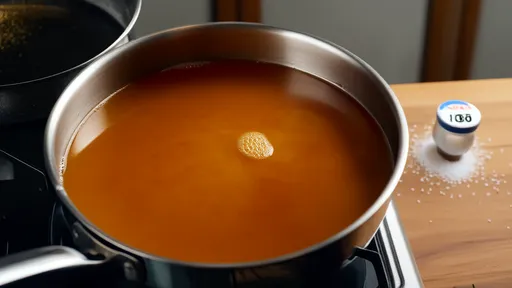
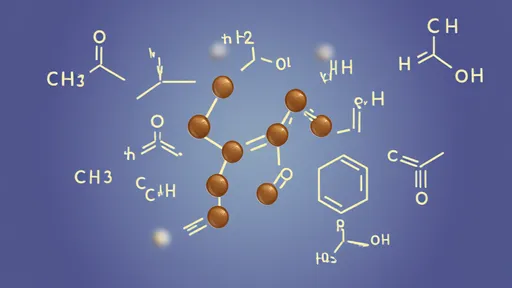
Caramelization begins when sugar is heated to around 320°F (160°C), at which point its molecules start to break down and recombine into new compounds. These compounds are responsible for the rich, complex flavors and deep amber hues that define well-made caramel. However, the window between perfectly caramelized and overdone is narrow. At 340°F (171°C), sugar begins to take on a light amber color, signaling the first stage of caramelization. By 350°F (177°C), it reaches a medium amber, and at 375°F (191°C), it enters the dark amber stage—where the risk of burning becomes imminent.
The key to successful caramelization lies in vigilance. Unlike other cooking processes where timers can be relied upon, caramel demands constant attention. Visual cues are paramount. The shift from clear melted sugar to a pale straw color happens quickly, and from there, the transition to deep amber accelerates. Many experienced cooks rely on the "smoke point" as an indicator—the moment when thin wisps of smoke rise from the molten sugar. This is nature's warning that the sugar is approaching its limit, and immediate action is required to prevent scorching.
Another critical factor is the type of sugar being used. Granulated white sugar is the most common choice, but different sugars behave differently under heat. For instance, fructose caramelizes at a lower temperature than sucrose, while brown sugar, which contains molasses, can introduce additional variables due to its impurities. Even the size of the sugar crystals can affect how evenly heat is distributed, making pre-dissolving or adding a small amount of water a useful technique for beginners.
Equipment plays a significant role in temperature management. A heavy-bottomed saucepan is ideal because it distributes heat evenly, reducing the likelihood of hot spots that can cause localized burning. A reliable candy thermometer is indispensable, though some purists argue that experience and intuition are just as important. Digital thermometers with alarms can provide an extra layer of security, especially for those still honing their skills. Stirring, while sometimes necessary to ensure even heating, can also introduce complications. Excessive agitation may cause crystallization, resulting in a grainy texture rather than the desired smooth consistency.
Environmental factors shouldn’t be overlooked either. Humidity, altitude, and even the material of the cooking vessel can influence how sugar behaves when heated. High humidity can introduce moisture to the sugar, prolonging the cooking time, while altitude affects boiling points, requiring adjustments to temperature targets. Some chefs swear by copper pots for their superior heat conductivity, though stainless steel is a more practical choice for many kitchens.
Beyond the technical aspects, there’s an almost philosophical dimension to caramelization. It’s a reminder of how fragile perfection can be—how something as simple as sugar can become transcendent with the right application of heat and timing, or ruined in an instant by distraction. The difference between a sauce that enhances a dessert and one that overpowers it often comes down to a matter of seconds. This is why professional kitchens treat caramel with reverence, assigning it to those with steady hands and sharp focus.
For those new to caramel-making, patience is non-negotiable. Rushing the process by cranking up the heat only leads to uneven cooking and a higher risk of burning. Low and slow is the mantra, allowing the sugar to melt gradually and develop its flavor complexity. Even when removing the caramel from heat, residual warmth can continue the cooking process, which is why many recipes recommend an ice bath to halt the reaction at precisely the right moment.
In the end, caramelization is as much about intuition as it is about precision. Thermometers and timers provide guidance, but the human element—the ability to read the sugar’s color, smell its aroma, and sense its viscosity—is irreplaceable. It’s a skill that improves with practice, each batch offering lessons for the next. Whether used in flans, sauces, or candies, perfectly executed caramel is a testament to the cook’s mastery of temperature, timing, and technique.
By /Jul 17, 2025
By /Jul 17, 2025
By /Jul 17, 2025
By /Jul 17, 2025
By /Jul 17, 2025
By /Jul 17, 2025
By /Jul 17, 2025

By /Jul 17, 2025
By /Jul 17, 2025
By /Jul 17, 2025
By /Jul 17, 2025
By /Jul 17, 2025
By /Jul 17, 2025
By /Jul 17, 2025
By /Jul 17, 2025
By /Jul 17, 2025
By /Jul 17, 2025
By /Jul 17, 2025
