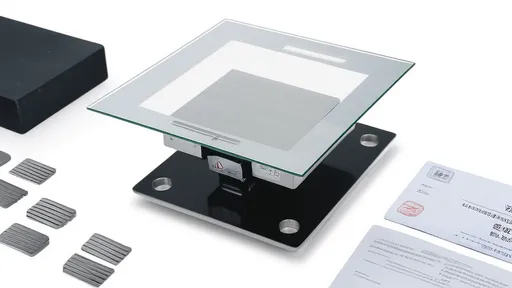
In the world of health and fitness, the accuracy of a bathroom scale can make a significant difference in tracking progress. Whether you're monitoring weight loss, muscle gain, or simply maintaining your current physique, an unreliable scale can lead to frustration and misinformation. Understanding how to verify the precision of your weight scale is essential for ensuring consistent and trustworthy measurements.
The Importance of Scale Accuracy
Before diving into verification methods, it's crucial to recognize why scale accuracy matters. A slight deviation in measurement can skew progress tracking, leading to misguided adjustments in diet or exercise routines. For athletes, bodybuilders, or individuals with specific health conditions, even minor inaccuracies can have notable consequences. A scale that consistently provides reliable data helps users make informed decisions about their health journey.
Factors Affecting Scale Precision
Several elements influence a scale's accuracy, including surface placement, battery life, and calibration. Placing a scale on an uneven or soft surface, such as carpet, can result in incorrect readings. Low battery levels may also cause fluctuations in measurements. Additionally, mechanical scales may require periodic calibration to maintain precision, whereas digital scales often self-calibrate but can still be affected by environmental factors like temperature and humidity.
Simple Verification Techniques
One straightforward method to test a scale's accuracy involves using known weights. Household items like dumbbells or bags of flour with labeled weights can serve as reference points. Placing a 10-pound weight on the scale should result in a corresponding measurement. If the scale displays a significantly different value, it may require calibration or replacement. Repeating this test with multiple weights helps confirm consistency across different measurement ranges.
Checking for Consistency
Consistency is just as important as absolute accuracy. Stepping on the scale multiple times in succession should yield nearly identical results. Variations of more than a few tenths of a pound between measurements suggest potential issues with the scale's sensors or stability. For digital scales, allowing the device to reset to zero between each weigh-in ensures that residual data from previous measurements doesn't affect the reading.
Environmental Considerations
Where and how a scale is stored can impact its performance. Extreme temperatures or moisture exposure may damage internal components, leading to erratic behavior. Storing the scale in a cool, dry place and avoiding excessive force when handling it can prolong its lifespan and maintain accuracy. Additionally, allowing the scale to acclimate to room temperature before use prevents thermal expansion or contraction from skewing results.
Professional Calibration Services
For those who rely on highly precise measurements, professional calibration may be necessary. Specialized services use certified weights to adjust scales to meet industry standards. While this option is more common in medical or research settings, fitness enthusiasts with high-end scales may also benefit from periodic professional calibration to ensure optimal performance.
When to Replace Your Scale
Despite proper care and verification attempts, scales don't last forever. Signs of irreparable inaccuracy include inconsistent readings, failure to calibrate, or visible damage to the platform or display. Investing in a new scale from a reputable brand with positive reviews can save time and frustration in the long run, providing peace of mind that your measurements are reliable.
Final Thoughts
Verifying the accuracy of your weight scale is a simple yet essential practice for anyone serious about health and fitness. By understanding the factors that influence precision and employing basic testing methods, you can trust that your scale provides meaningful data. Whether you're tracking minor fluctuations or major milestones, an accurate scale ensures that your efforts are reflected in your measurements.

By /Jul 21, 2025
By /Jul 21, 2025

By /Jul 21, 2025

By /Jul 21, 2025
By /Jul 21, 2025

By /Jul 21, 2025
By /Jul 21, 2025
By /Jul 21, 2025

By /Jul 21, 2025

By /Jul 21, 2025

By /Jul 21, 2025

By /Jul 21, 2025

By /Jul 21, 2025

By /Jul 21, 2025
By /Jul 21, 2025
By /Jul 21, 2025
By /Jul 21, 2025

By /Jul 21, 2025
