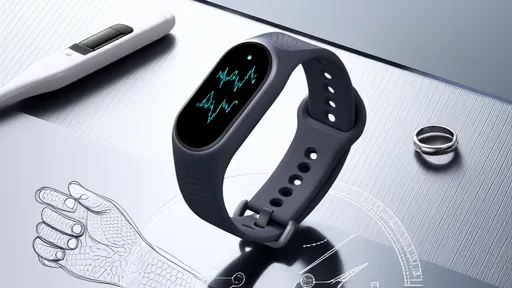
Wearable sleep trackers have become increasingly popular as people seek to understand and improve their sleep patterns. These devices, often worn on the wrist like a watch, provide valuable insights into sleep duration, quality, and stages. However, to ensure accurate data collection, it is essential to wear the device correctly and consistently. Many users overlook simple yet critical steps that can significantly impact the reliability of the data gathered.
Proper placement on the wrist is one of the most important factors in ensuring accurate sleep tracking. Most manufacturers recommend wearing the device on the non-dominant hand, as this typically experiences less movement during sleep. The band should be snug but not too tight, allowing the sensors to maintain consistent contact with the skin. A loose fit may result in gaps that disrupt data collection, while an overly tight band can cause discomfort and even affect circulation.
Another key consideration is charging the device regularly. Sleep trackers are only useful if they have enough battery life to monitor throughout the night. Many users forget to charge their devices, leading to incomplete or missing data. Establishing a routine, such as charging the tracker during morning showers or while getting ready for bed, can help maintain consistent usage. Some advanced models even offer quick-charge features, ensuring that even a short charging session provides enough power for overnight tracking.
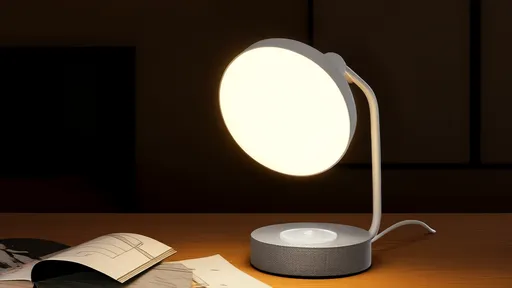
Environmental factors also play a role in the effectiveness of sleep tracking. Light exposure, for instance, can interfere with the device's ability to detect sleep stages accurately. Wearing the tracker too loosely or in a position where it is exposed to external light sources may skew the results. Similarly, extreme temperatures can affect battery performance and sensor accuracy. Keeping the device in a stable environment—neither too hot nor too cold—helps maintain optimal functionality.
Consistency in wearing the device is another often-overlooked aspect. Some users remove their trackers intermittently, either due to discomfort or forgetfulness. However, sporadic usage makes it difficult to establish reliable sleep patterns over time. For those who find the device uncomfortable, experimenting with different band materials or adjusting the fit may help. Silicone bands, for example, are lightweight and flexible, reducing the likelihood of irritation during sleep.
Understanding the limitations of sleep trackers is equally important. While these devices provide useful estimates of sleep duration and quality, they are not medical-grade equipment. Factors such as movement during sleep or irregular sleep patterns can sometimes lead to misinterpretations. Users should view the data as a general guide rather than an absolute measure of sleep health. Consulting a healthcare professional for persistent sleep issues remains the best course of action.
Finally, syncing and reviewing data regularly can enhance the usefulness of a sleep tracker. Many devices come with companion apps that analyze sleep trends over time. By reviewing this information, users can identify patterns and make informed adjustments to their sleep habits. Whether it’s adjusting bedtime routines, reducing caffeine intake, or creating a more sleep-friendly environment, the insights gained from consistent tracking can lead to meaningful improvements in overall sleep quality.
In summary, maximizing the benefits of a sleep tracker involves more than just wearing the device. Proper placement, regular charging, consistent usage, and an understanding of its limitations all contribute to obtaining reliable data. By paying attention to these details, users can make the most of their sleep-tracking technology and take meaningful steps toward better rest and overall well-being.

By /Jul 21, 2025
By /Jul 21, 2025

By /Jul 21, 2025

By /Jul 21, 2025
By /Jul 21, 2025
By /Jul 21, 2025
By /Jul 21, 2025
By /Jul 21, 2025
By /Jul 21, 2025

By /Jul 21, 2025

By /Jul 21, 2025

By /Jul 21, 2025

By /Jul 21, 2025

By /Jul 21, 2025
By /Jul 21, 2025
By /Jul 21, 2025
By /Jul 21, 2025
By /Jul 21, 2025
