Modern air purifiers have become essential appliances in homes and offices, particularly in urban environments where air quality is a growing concern. One of the most critical aspects of maintaining an air purifier’s efficiency is knowing when to replace its filters. Unlike other household devices, air purifiers rely heavily on their filters to trap pollutants, and neglecting timely replacements can significantly reduce their effectiveness. Manufacturers have integrated various signals and indicators to alert users when a filter change is due, but understanding these signals requires a closer look.
The Importance of Timely Filter Replacement
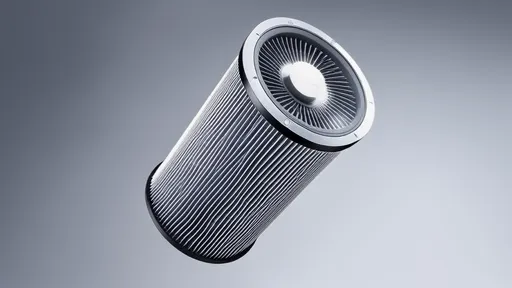
Air purifiers work by drawing in air and passing it through a series of filters designed to capture particles such as dust, pollen, pet dander, and even microscopic pollutants like bacteria and viruses. Over time, these filters become saturated with contaminants, which can impede airflow and reduce the unit’s ability to clean the air effectively. A clogged filter not only diminishes performance but can also strain the purifier’s motor, leading to higher energy consumption and potential long-term damage. This makes recognizing replacement signals crucial for both air quality and the longevity of the device.
Different types of filters—such as HEPA, activated carbon, and pre-filters—have varying lifespans depending on usage and environmental conditions. For instance, a HEPA filter in a household with pets may require more frequent changes than one in a pet-free environment. Similarly, activated carbon filters, which absorb odors and gases, lose their potency over time and need regular replacement to maintain efficiency. Understanding these nuances helps users make informed decisions rather than relying solely on generic manufacturer guidelines.
Common Filter Replacement Indicators
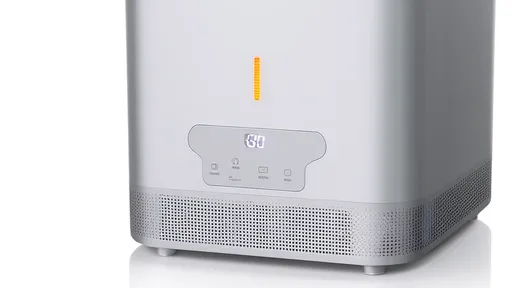
Most modern air purifiers are equipped with some form of filter replacement alert. These indicators can be as simple as a blinking light or as advanced as a digital countdown displaying the remaining filter life. Some models use time-based reminders, assuming average usage patterns, while others employ sensors to detect airflow resistance or pollutant levels, providing a more accurate assessment of filter condition. However, these automated systems are not infallible, and users should still perform occasional manual checks, especially if they notice a decline in air quality or an unusual increase in noise from the purifier.
Another signal often overlooked is the change in air purifier performance. If the device no longer seems to reduce odors or allergens as effectively as before, it may be a sign that the filters are overdue for replacement. Similarly, a musty smell emanating from the unit can indicate that the filters are harboring mold or bacteria, necessitating immediate attention. While technology has made it easier to monitor filter status, human observation remains a valuable tool in ensuring optimal performance.
Environmental and Cost Considerations
Frequent filter replacements can become costly, particularly for high-end air purifiers that use specialized filters. Some users may be tempted to extend the lifespan of their filters beyond the recommended period to save money, but this approach often backfires. A compromised filter not only fails to protect indoor air quality but can also lead to higher electricity bills and repair costs. To mitigate expenses, many manufacturers offer subscription services for filter deliveries, ensuring replacements arrive precisely when needed without requiring constant user vigilance.
On the environmental front, used air purifier filters contribute to waste, and improper disposal can pose ecological challenges. Some companies have started producing recyclable or washable filters to address this issue, though these alternatives may not be suitable for all purifier models or pollutant types. Consumers concerned about sustainability should research filter disposal options and consider brands that prioritize eco-friendly designs. Balancing cost, convenience, and environmental impact is key to making responsible choices regarding filter maintenance.
User Habits and Maintenance Tips
Beyond relying on automated signals, users can adopt habits that prolong filter life and maintain air purifier efficiency. Regular vacuuming of the surrounding area reduces the amount of dust and debris entering the purifier, easing the burden on its filters. Additionally, keeping the purifier away from high-traffic zones or sources of pollution, such as kitchens or smoking areas, can prevent premature filter clogging. For those with washable pre-filters, following the manufacturer’s cleaning schedule ensures that the primary filters last longer.
It’s also worth noting that not all filter replacement signals are created equal. Some purifiers allow users to reset the filter indicator manually after replacement, while others do so automatically. Misinterpreting these signals or failing to reset them can lead to confusion and unnecessary replacements. Reading the user manual thoroughly and keeping track of replacement dates can prevent such mistakes and help users stay on top of maintenance without second-guessing.
Conclusion
Air purifiers play a vital role in maintaining indoor air quality, but their effectiveness hinges on proper filter maintenance. Recognizing and responding to filter replacement signals—whether through automated alerts or manual checks—ensures that the device operates at peak performance. By understanding the different types of filters, their lifespans, and the environmental and cost implications of replacements, users can make informed decisions that benefit both their health and their wallets. As technology advances, filter monitoring systems will likely become even more sophisticated, but for now, a combination of automated alerts and user vigilance remains the best approach.

By /Jul 21, 2025
By /Jul 21, 2025

By /Jul 21, 2025
By /Jul 21, 2025
By /Jul 21, 2025

By /Jul 21, 2025
By /Jul 21, 2025

By /Jul 21, 2025
By /Jul 21, 2025

By /Jul 21, 2025

By /Jul 21, 2025

By /Jul 21, 2025

By /Jul 21, 2025

By /Jul 21, 2025
By /Jul 21, 2025
By /Jul 21, 2025
By /Jul 21, 2025
By /Jul 21, 2025
