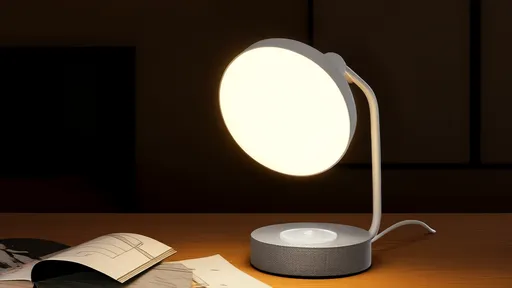
Choosing the right desk lamp for eye care can feel overwhelming with the myriad of options available in the market today. From brightness levels to color temperature, flicker rates to adjustability, each parameter plays a crucial role in determining whether a lamp will be gentle on your eyes or contribute to strain over time. Understanding these factors is essential for making an informed decision that prioritizes both comfort and functionality.
Brightness is often the first feature people consider when selecting an eye-care desk lamp. Measured in lumens, brightness determines how much light the lamp emits. A lamp that’s too dim forces the eyes to work harder, leading to fatigue, while one that’s excessively bright can cause glare and discomfort. The ideal brightness depends on the task at hand—reading or detailed work may require higher lumens, whereas ambient lighting for relaxation calls for softer illumination. Many modern lamps come with adjustable brightness settings, allowing users to tailor the light output to their specific needs.
Another critical factor is color temperature, which is measured in Kelvin (K). Lower Kelvin values (around 2700K to 3000K) produce a warm, yellowish light that’s easy on the eyes and ideal for relaxing environments. On the other hand, higher values (5000K to 6500K) emit a cool, bluish-white light that mimics daylight, promoting alertness and focus. For tasks requiring concentration, such as studying or working, a color temperature in the range of 4000K to 5000K is often recommended as it strikes a balance between warmth and clarity.
Flicker is a less obvious but equally important consideration. A lamp with noticeable flickering can cause eye strain, headaches, and even long-term vision problems. High-quality eye-care lamps are designed with flicker-free technology, often using direct current (DC) instead of alternating current (AC) to ensure steady light output. When testing a lamp, one simple way to check for flicker is to wave your hand under the light—if you see a strobe-like effect, the lamp likely has a flicker issue.
The adjustability of a desk lamp significantly impacts its usability and effectiveness. A lamp with a flexible neck or multiple pivot points allows you to direct light precisely where it’s needed, reducing shadows and glare. Height adjustability is another feature to look for, as it ensures the lamp can be positioned at an optimal distance from the work surface. Some advanced models even offer memory settings to save preferred configurations for different tasks.
Beam angle and uniformity of light distribution also play a role in eye comfort. A lamp with a wide beam angle spreads light evenly across a larger area, minimizing harsh contrasts between illuminated and dark spots. This is particularly useful for larger desks or shared workspaces. Look for lamps with diffusers or reflectors designed to create uniform lighting without hotspots that can cause eye strain.
Energy efficiency is another aspect worth considering, not just for environmental reasons but also for long-term cost savings. LED lamps dominate the eye-care market due to their low power consumption and long lifespan. However, not all LEDs are created equal—cheaper models may compromise on light quality or longevity. Opting for a reputable brand with Energy Star certification can ensure you’re getting a product that balances efficiency with performance.
Finally, the design and build quality of the lamp should not be overlooked. A sturdy base prevents the lamp from tipping over, while materials like aluminum or high-grade plastics offer durability without adding unnecessary weight. Some lamps also incorporate smart features such as touch controls, automatic dimming, or even built-in USB ports for charging devices. While these extras can enhance convenience, the core focus should always remain on the lamp’s ability to provide comfortable, eye-friendly illumination.
Selecting the perfect eye-care desk lamp involves weighing multiple factors to find the right balance for your specific needs. By paying attention to brightness, color temperature, flicker, adjustability, and other key parameters, you can create a workspace that supports both productivity and visual health. Investing in a high-quality lamp is an investment in your well-being, reducing eye strain and creating a more comfortable environment for work or study.

By /Jul 21, 2025
By /Jul 21, 2025

By /Jul 21, 2025

By /Jul 21, 2025

By /Jul 21, 2025
By /Jul 21, 2025
By /Jul 21, 2025

By /Jul 21, 2025
By /Jul 21, 2025

By /Jul 21, 2025

By /Jul 21, 2025

By /Jul 21, 2025

By /Jul 21, 2025

By /Jul 21, 2025
By /Jul 21, 2025
By /Jul 21, 2025
By /Jul 21, 2025

By /Jul 21, 2025
